Cybersecurity trends: an evolving landscape
Digital acceleration and the proliferation of cyber threats have redefined business priorities in security. In 2025, cybersecurity is set to become a critical element not only for protecting data but also for ensuring customer trust and operational continuity.
The cybersecurity landscape is evolving at an unprecedented pace. Organizations face increasingly complex challenges that require innovative solutions and proactive approaches to stay ahead of emerging threats.
Key trends for 2025
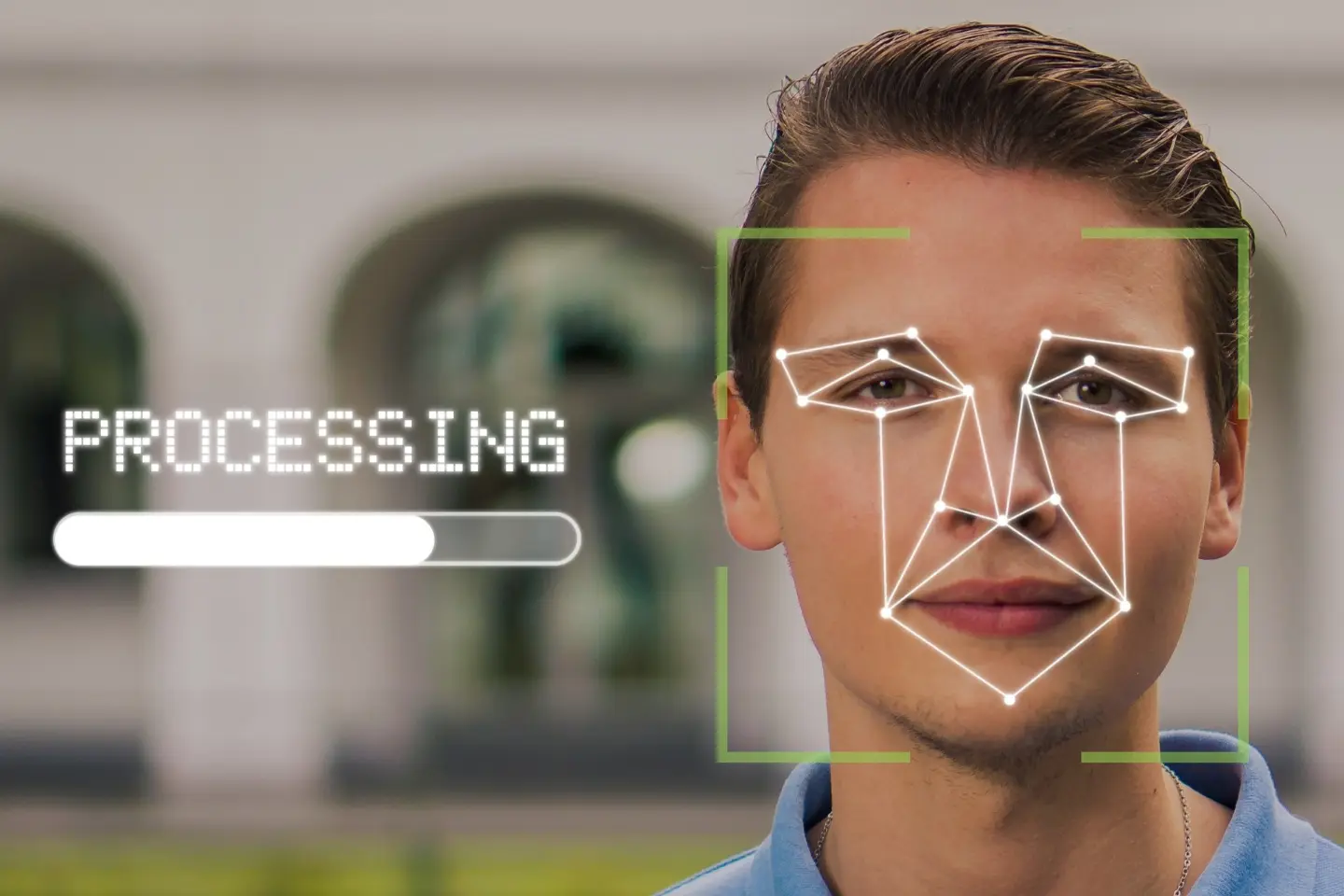
Companies are adopting emerging technologies such as <strong>artificial intelligence and machine learning</strong> to detect and prevent threats in real time. Biometric authentication is becoming the gold standard for identity verification.
The rise of quantum computing presents both opportunities and challenges for cybersecurity. While it promises enhanced encryption capabilities, it also threatens to render current cryptographic methods obsolete.

AI-powered security solutions
Artificial intelligence is revolutionizing how organizations approach cybersecurity. From predictive analytics to automated threat response, AI enables faster and more accurate security decisions than ever before.
Machine learning algorithms can analyze vast amounts of data to identify patterns and anomalies that would be impossible for human analysts to detect. This capability is particularly valuable in identifying zero-day attacks and advanced persistent threats.
The human factor
Despite technological advances, the human factor remains the weakest link in cybersecurity. Organizations are investing heavily in employee training and awareness programs to reduce the risk of social engineering attacks.
Solutions like B-FY's human authentication technology address this challenge by ensuring that the person behind every digital interaction is genuine, effectively eliminating the risk of impersonation and identity fraud.